When we walk students through our school gates each morning, we’re acutely aware of our duty of care.
We know the statistics. We’ve trained our staff in safeguarding. We’ve created pastoral systems designed to catch those who are struggling.
But who’s catching staff when they’re struggling?
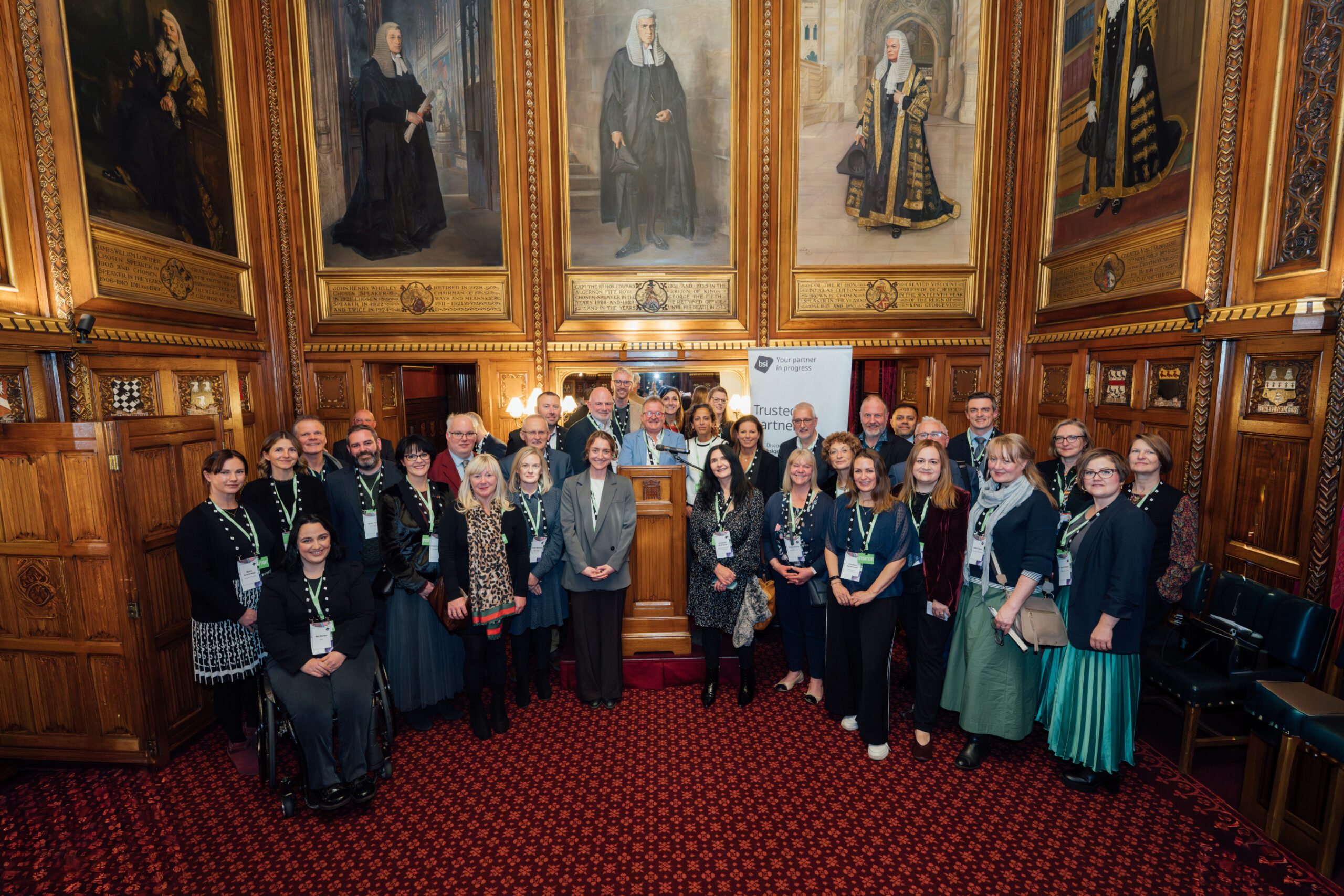
On the 4th of November, BS 30480:2025 – the UK’s first British Standard on suicide prevention in the workplace – launched. Since its release it has already been downloaded more than 3,000 times, in over 60 countries.
A clear signal that organisations across the world are ready to take action. And education settings have a really unique opportunity (and responsibility) to lead the way.
"These numbers show momentum and reach, let's hope we can carry this on with lasting change and impact."
Marie Greenhalgh, Relationships Director at Inclusion Education, and Project Lead for Baton of Hope
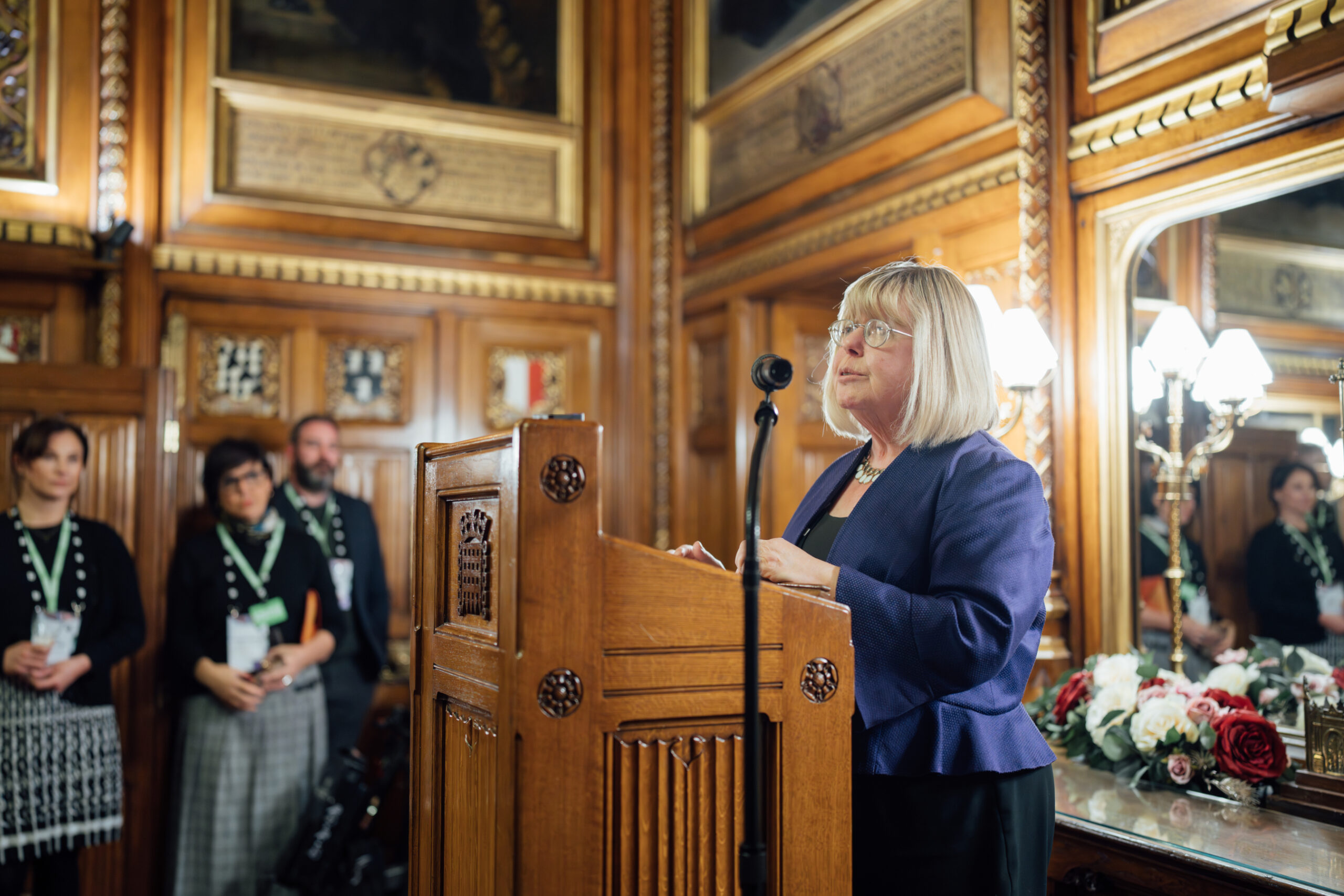
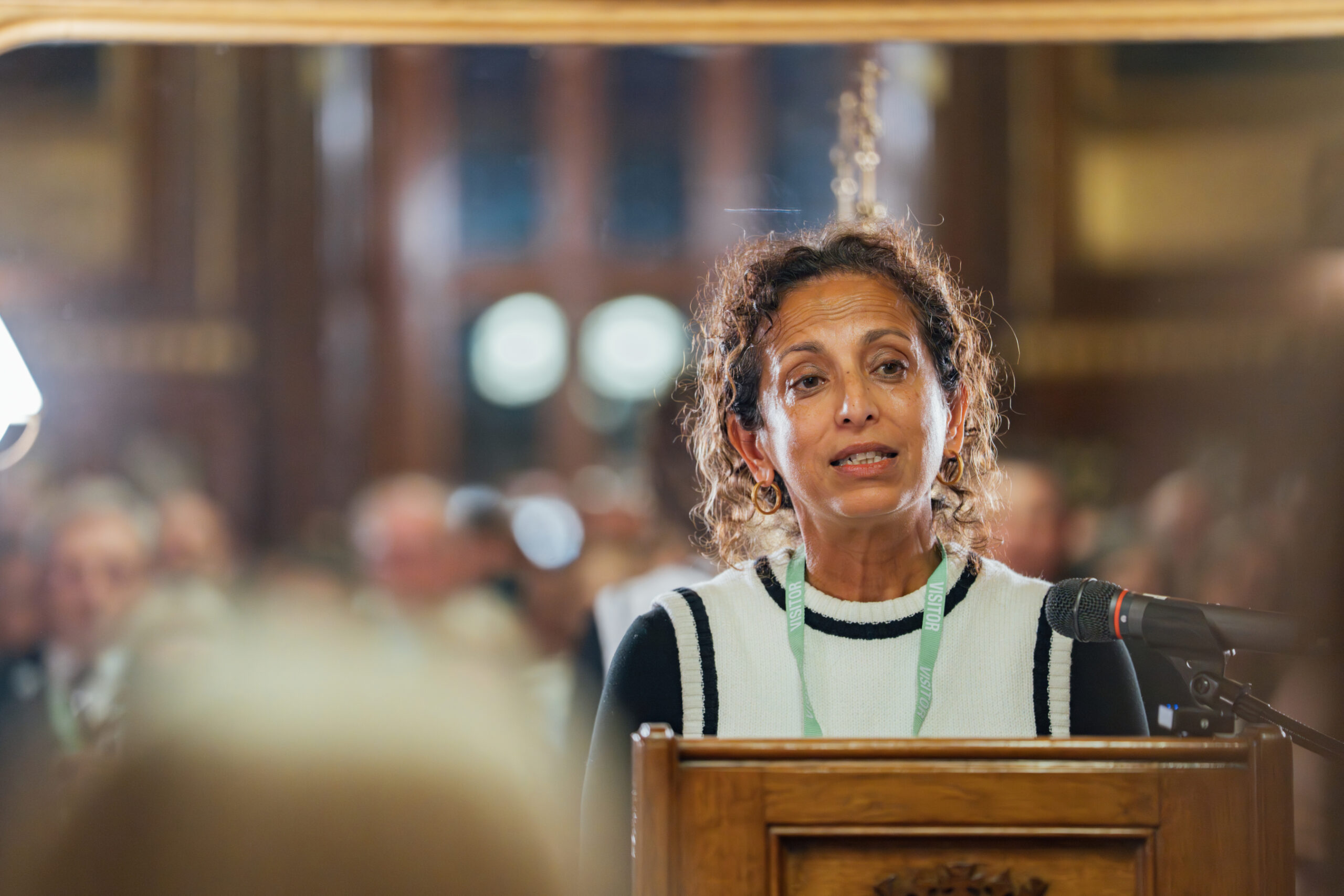
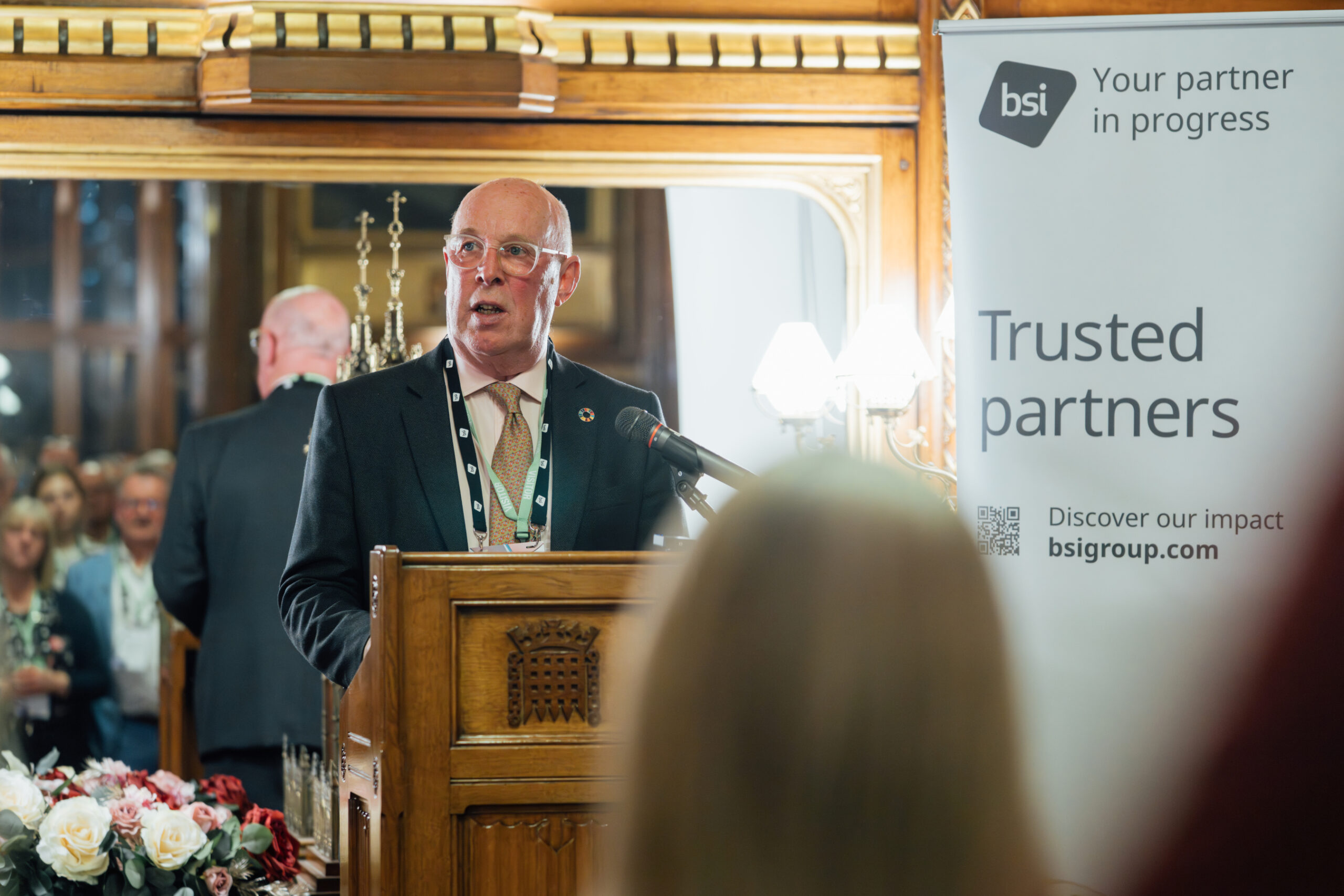
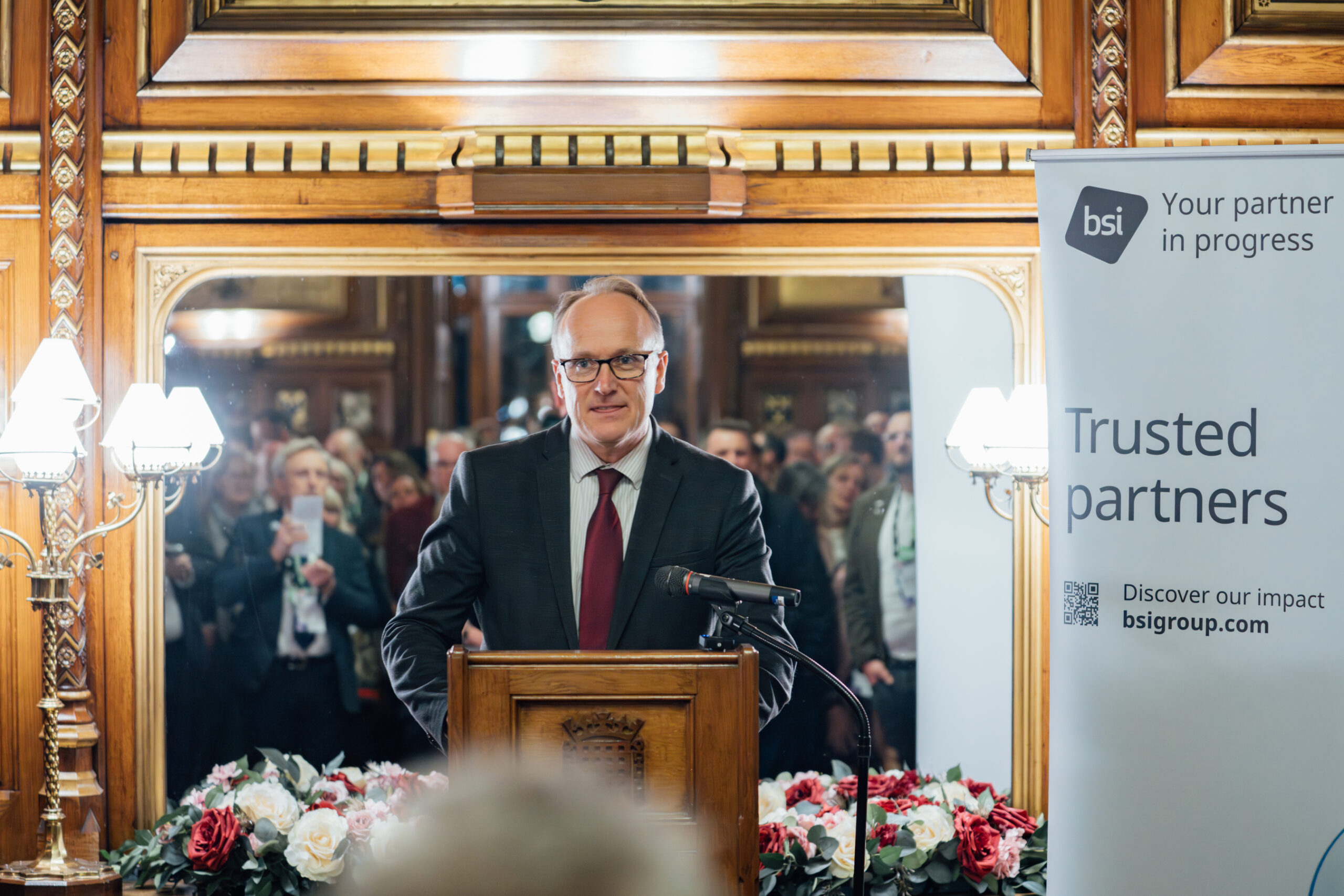
“I was honoured to attend the launch of BS 30480 at Speaker’s House, the UK’s national standard dedicated to addressing suicide risk in the workplace. The event brought together charities, corporates, government representatives and mental health advocates, all united behind this groundbreaking initiative, the world’s first workplace standard dedicated to suicide prevention, intervention, and postvention.
One of the key takeaways for me, was the strong political support, with ministers and MPs praising the standard and confirming its adoption for parliamentary staff, a move with potentially far-reaching impact.”
Andy Burnham, Mayor of Greater Manchester, has added his endorsement, describing BS 30480 as a landmark in suicide awareness, intervention and support after a suicide in the workplace. He emphasised that the standard reflects Greater Manchester’s ambition to lead nationally on prevention, offering employers practical, evidence-based tools to reduce risk, strengthen staff support and embed cultures of care. Burnham encouraged organisations across all sectors to pledge their adoption of BS 30480, noting that doing so signals a genuine commitment to safeguarding employees and driving wider societal change.
Wes Streeting, the Former Shadow Health Secretary, has ensured BS 30480 is embedded within the newly published Men’s Health strategy, giving it visibility from the outset. The strategy sets out a national commitment to tackling health inequalities faced by men, with a strong focus on prevention, early intervention, and reducing stigma around issues such as mental health and suicide.
“By positioning BS 30480 within this framework, suicide prevention is brought firmly into mainstream health priorities, signalling that workplaces have a critical role to play in safeguarding wellbeing. The Men’s Health strategy also involves the Premier League, whose reach through clubs, staff, and fan communities provides a powerful platform to amplify awareness and drive cultural change. This combination of political leadership and sporting influence reinforces BS 30480’s potential to make a meaningful impact across workplaces and society at large.”
“In 2023, 7,055 people died by suicide across the UK - an average of 19 lives lost every single day.”
- BSI Group
Virtually every workplace will be affected by suicide at some point. For every death by suicide in the UK, an estimated 135 people are impacted. With approximately 7,555 suicide deaths registered in 2023, that means close to one million people are affected annually – many of them in our schools, colleges, and universities.
In education settings, the stakes are even higher. We work daily with vulnerable young people, some of whom are navigating thoughts of suicide themselves.
Our staff witness distress, manage crises, and carry emotional weight that extends far beyond the classroom. Teachers, support staff, and leaders are among those most likely to encounter suicide – either through the students they support or within their own professional communities.
The myth that “it won’t affect us” is just that – a myth. Suicide can affect anyone, at any time, across all ages, roles, and backgrounds. And when we don’t talk about it, when we don’t prepare for it, the impact is devastating.
At Inclusion Education, our work has always been about building bridges – between awareness and understanding, between crisis and hope.
Through our partnership with the Baton of Hope – the UK’s largest suicide prevention campaign that travels the country breaking the silence around suicide – we’ve seen firsthand how speaking openly saves lives. The Baton represents solidarity, remembrance, and our collective commitment to preventing youth suicide.
Through Project Iris, we’ve worked with schools to cultivate hope as an active skill, teaching young people that hope isn’t passive optimism, but a learned ability to set goals, find pathways, and maintain motivation even when things are hard.
But awareness and hope, while absolutely essential, just aren’t enough on their own. They need to be deeply embedded in systems, policies, and cultures that protect everyone – including the adults who hold the space for others.
This is where BS 30480:2025 comes in.
BS 30480:2025 isn’t a clinical document designed for mental health professionals. It’s a practical guide for all organisations, regardless of size or sector, on how to prevent suicide, intervene when someone is in crisis, and support those affected by suicide loss.
It recognises something we in education know all too well: workplace culture matters.
When staff feel safe, valued, connected to their colleagues, and able to do meaningful work, they’re far more likely to cope when life gets difficult.
It provides clear guidance on:
Staff wellbeing and student wellbeing are not separate priorities; they’re interconnected.
When staff feel psychologically safe, valued, and supported, they’re better able to notice and respond to students in distress. So naturally, when staff witness their workplace taking mental health seriously – through training, through open conversations, through policy and practice – they model what it means to seek help and support others.
Schools and colleges have two key duties: to look after the staff who work there, and to set the kind of example we want young people to take into their own future workplaces.
The standard recognises that suicide risk can increase during things like disciplinary procedures, performance reviews, and redundancy. These are times when someone’s sense of self and security can feel under threat.
In schools, the added weight of inspection and accountability measures, like OFSTED, can feel crushing. In recent years, we’ve seen these pressures having a devastating impact; we’ve watched it play out not just in our communities but on national news. So how we handle these moments, with care, support, and a focus on people’s wellbeing, makes a huge difference.
One of the most valuable sections of BS 30480:2025 is Annex E – a series of self-evaluation questions designed to help organisations benchmark where they are and identify gaps.
Here are a few questions to consider:
These aren’t comfortable questions. Some organisations will struggle to answer them. But that’s precisely the point. We can’t improve what we don’t measure. We can’t protect people if we don’t acknowledge the risks.
Implementing BS 30480:2025 doesn’t mean creating entirely new systems from scratch. It’s just prompting you to integrate suicide prevention into what you’re already doing.
Embed it in your safeguarding framework. Suicide prevention for staff should sit alongside safeguarding for students, as an equally important duty of care.
Connect it to your wellbeing strategy. If you have mental health first aiders, wellbeing champions, or an Employee Assistance Programme, make sure they’re aware of the standard and trained in suicide prevention specifically.
Make it part of induction. New staff should understand from day one that this is a workplace where mental health is taken seriously, where it’s okay to not be okay, and where there are clear pathways to support.
Train your managers and HR teams. Line managers are often the first to notice when someone is struggling. They need to know what warning signs look like, how to ask about suicide directly, and what to do next. The standard includes specific toolkits for HR (Annex B) and line management (Annex D).
Talk about it openly. Use staff meetings, briefings, and communications to normalise conversations about mental health and suicide. Share the language that helps – “died by suicide” rather than “committed suicide.” Challenge stigma when you encounter it.
Plan for crisis. Hope for the best, but prepare for the worst. Have a clear protocol for what happens if a staff member discloses thoughts of suicide or if someone dies by suicide. Who needs to be informed? What support will be offered? How will you communicate sensitively?
When education settings lead on workplace suicide prevention, the impact extends far beyond your staff team.
Young people are watching, and they notice when adults take mental health seriously. They absorb the message that struggling doesn’t mean failing, that asking for help is a strength, and that workplaces can and should be places where people are valued as whole human beings.
Students who experience supportive, psychologically safe school environments carry that expectation into their future workplaces. They become employees, managers, and leaders who prioritise wellbeing.
And in a sector where staff wellbeing is under increasing strain – where workload, pressure, and burnout are at crisis levels – showing that you take suicide prevention seriously is more than ethical; it’s practical. It supports staff retention, improves culture, and really shows that you value people as your most important resource.
One in four adults have thought of taking their own life at some point. One in thirteen have made a suicide attempt.
These aren’t statistics on a page. They’re our colleagues. They might be us.
BS 30480:2025 gives us a roadmap. It removes the excuse that we don’t know where to start. It provides the evidence, the language, the policies, and the practical tools to create workplaces where people can feel supported and seen.
At Inclusion Education, we’re committed to supporting schools, colleges, and educational organisations to implement this standard. We believe education settings can, and must, lead the way.
Because if we can’t model what it means to care for the adults in our communities, how can we ask young people to believe that help is available? If we can’t create psychologically safe workplaces for ourselves, how can we teach students to build them in the future?
It’s not compliance; it’s compassion. It’s taking the awareness we’ve built through campaigns like the Baton of Hope, the hope we’ve grown through Project Iris and turning them into systems that save lives.
The standard is just the start; it’s what we do next that counts.
Resources:
If you or someone you know is struggling: